🌍 Satellite Internet Service
Satellite Internet Service is a global broadband internet system built and operated by Satellite Internet , a subsidiary of SpaceX. It uses a large constellation of satellites in low Earth orbit (LEO) to deliver high-speed, low-latency internet anywhere on Earth — especially in places that lack traditional wired networks like fiber or cable.
⭐ Satellite Internet from Low Earth Orbit
Satellite Internet is a megaconstellation of thousands of interconnected satellites orbiting relatively close to Earth (~550 km). Because the satellites are much closer than traditional geostationary ones, Satellite Internet can offer faster and more responsive internet.
📡 Global Coverage
As of 2026, the network has over 9,000 satellites in orbit and serves customers in about 150 countries and territories. Nearly 9 million users subscribe worldwide, and the constellation is planned to keep growing to improve coverage and speeds.
🛰️ User Terminal (Dish & Router)
Users connect via a special Satellite Internet dish (also called a user terminal) and Wi-Fi router. The dish tracks the satellites overhead to send and receive internet data.
⚙️ Global Coverage Overview
Satellite Internet broadband network, has rapidly expanded since its first beta launch in 2020. Today it offers broad global coverage through thousands of low-Earth-orbit (LEO) satellites that can reach most of the world — especially areas where traditional internet infrastructure is limited or unavailable.
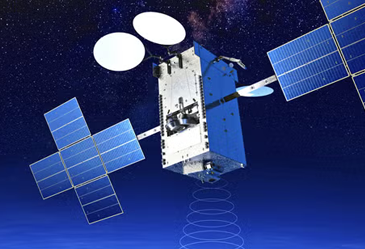
User terminal (dish)
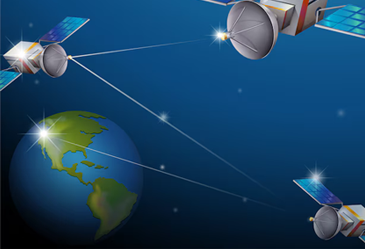
Satellites communicate
🌐 What “Coverage” Means
Satellite reach:
Satellite Internet orbit Earth in multiple planes, giving near-global signal reach across most latitudes — especially between about ±60° latitude where the majority of the world’s population lives.
Official service availability:
Even though satellites can technically cover much of the globe, Satellite Internet must obtain regulatory approval country by country before offering service there. That’s why official coverage maps show availability only in nations where this approval has been granted.
⚡ Performance: Speeds & Latency
Typical performance metrics (vary by location & plan):
Download speeds: ~50–200 Mbps (often more in well-served areas)
Upload speeds: ~10–20+ Mbps
Latency: ~20–40 ms — good for video calls, streaming, gaming and real-time apps
Speeds and latency are improving as more advanced satellites are launched.
📊 Why Satellite Internet Is Different
| Feature | Satellite Internet | Traditional Satellite |
|---|
| Orbit Height | Low Earth Orbit (~550 km) | Geostationary (~36,000 km) |
| Latency | ~20–40 ms | ~600+ ms |
| Speed | 50–200+ Mbps | Usually much lower |
| Coverage | Nearly global | Often regional |
Satellite Internet LEO design dramatically reduces signal delay and makes real-time applications like video calls and gaming more practical via satellite.
📡 Roaming & Special Plans
Satellite Internet offers mobile and maritime plans that can work over oceans and in multiple regions, allowing boats, aircraft, and vehicles to stay connected globally where permitted.
Global roaming” options let devices work across many supported countries, but regulatory constraints still apply in restricted nations.
📌 Pros & Cons at a Glance
👍 Pros
Internet where traditional broadband doesn’t reach.
Decent speeds & latency better than older satellite services.
Constant improvement with new satellites.
👎 Cons
Requires a clear view of the sky.
Performance varies by region & demand.
Cost of hardware and monthly subscription can be high compared with local broadband in cit
Satellite Internet is a modern satellite internet service using thousands of LEO satellites to deliver broadband to virtually anywhere on Earth. It offers faster, lower-latency internet than traditional satellite systems, making it useful for rural, mobile, and underserved regions worldwide.